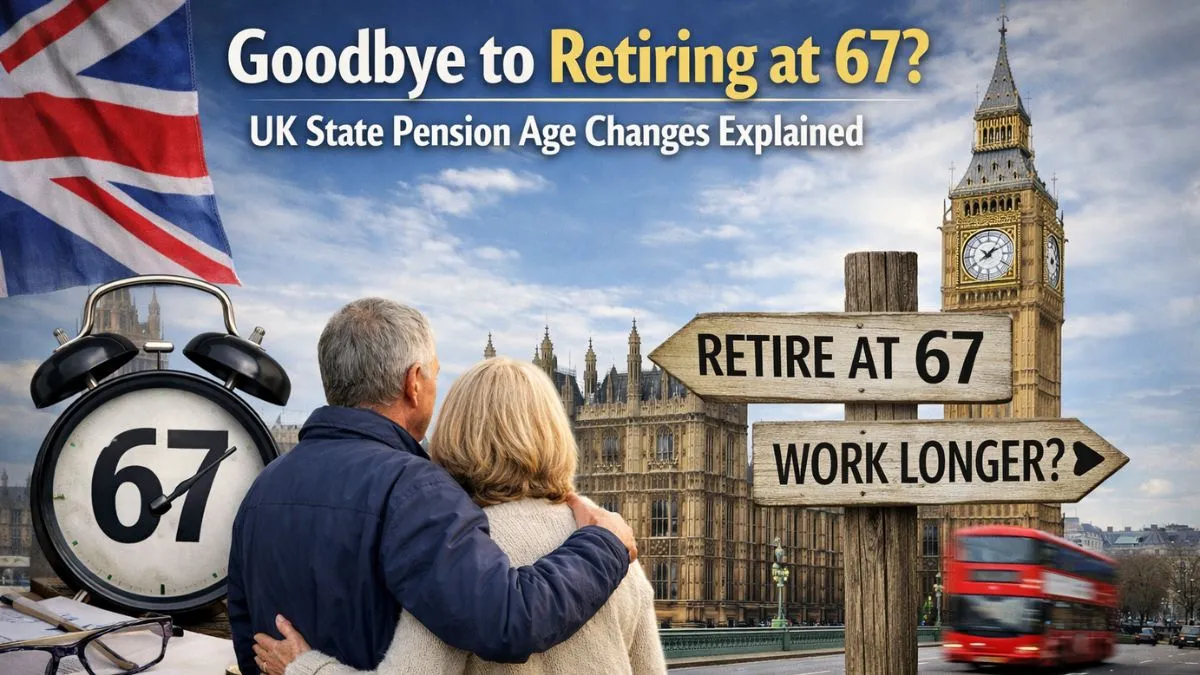
For many years, retiring in the mid-60s has been seen as a standard milestone in the UK. However, the idea of a fixed retirement age is now evolving. The concept of UK Pension Age is changing, and recent discussions suggest that retiring at 67 may no longer be the long-term norm.
As the UK Pension Age continues to shift, workers across all age groups are beginning to rethink their future plans. These developments have sparked major interest, as millions depend on the State Pension for financial security.
How the UK Pension Age Currently Works
The UK Pension Age determines when individuals can begin receiving the State Pension. This payment is provided by the Department for Work and Pensions (DWP) to those who meet eligibility requirements.
Current Key Points
- The UK Pension Age is currently 66 for most people
- It is scheduled to rise to 67 in the coming years
- Future increases are already under review
Eligibility depends on a person’s date of birth, meaning different generations retire at different ages.
Why the UK Pension Age Is Increasing
The rise in the UK Pension Age is mainly driven by longer life expectancy. People are living longer, which means pensions must be paid for more years.
Key Reasons Behind Changes
- Increased life expectancy
- Growing government spending pressures
- Changing workforce demographics
- Economic challenges affecting public finances
To maintain sustainability, the government regularly reviews and adjusts the UK Pension Age.
What “Goodbye to 67” Actually Means
The phrase “goodbye to retiring at 67” does not indicate an immediate change. Instead, it highlights the possibility that the UK Pension Age could rise beyond 67 in the future.
This means:
- Future retirees may need to wait longer for pension access
- Retirement planning timelines may need adjustment
- Younger workers could face extended working years
Impact of a Higher UK Pension Age on Workers
If the UK Pension Age increases further, it will affect how people approach their careers and finances.
Possible Effects
- Longer working lives
- Delayed retirement plans
- Increased focus on savings and investments
- Greater reliance on private pensions
Some individuals may choose flexible or part-time work later in life to manage the transition.
National Insurance and Pension Eligibility
To qualify for the State Pension, individuals must have sufficient National Insurance contributions.
Important Facts
- Around 35 years of contributions are needed for a full pension
- Contribution rules remain unchanged
- Changes only affect when payments begin
Keeping track of contributions is essential to secure full benefits under the UK Pension Age system.
How Changes Affect Retirement Planning
A rising UK Pension Age means people must rethink their financial strategies.
What to Consider
- When to retire
- How much to save
- Additional income sources
Private pensions, workplace schemes, and savings are becoming more important as reliance on the State Pension alone becomes riskier.
Impact on Younger Generations
Younger workers are likely to feel the biggest impact from changes to the UK Pension Age.
They may need to:
- Work for more years
- Start saving earlier
- Build diversified income streams
Planning ahead can reduce financial pressure in later life.
Concerns About Fairness
Not everyone can work longer, especially those in physically demanding jobs. This raises concerns about fairness in increasing the UK Pension Age.
The government may consider:
- Support for people with health issues
- Flexible retirement options
- Policy adjustments for vulnerable groups
Balancing fairness and sustainability remains a major challenge.
How the Government Reviews the UK Pension Age
The UK Pension Age is reviewed periodically based on data and long-term projections.
Factors Considered
- Life expectancy trends
- Economic conditions
- Labour market patterns
Decisions are made carefully to ensure stability and fairness.
Steps You Can Take Now
With the UK Pension Age likely to rise, individuals should prepare early.
Smart Actions
- Check your pension contributions regularly
- Build additional savings
- Stay updated on policy changes
- Consider flexible retirement plans
Being proactive can help you stay financially secure despite changes.
Why Staying Informed Matters
Understanding updates to the UK Pension Age is essential for making informed decisions.
Official updates from the DWP provide the most accurate information. Staying aware helps individuals adapt their plans effectively.
The shift away from retiring at 67 reflects a major transformation in how retirement is viewed in the UK. As the UK Pension Age continues to rise, individuals must adjust their expectations and financial strategies. While these changes may seem challenging, they also encourage better planning and long-term security.
Retirement is no longer defined by a fixed age but by financial readiness and stability. By staying informed and preparing early, individuals can confidently navigate the evolving pension landscape and secure a comfortable future.
FAQs
1. Is the UK Pension Age increasing beyond 67?
Yes, discussions are ongoing, and future increases beyond 67 are possible but not yet finalized.
2. How many years of National Insurance are needed?
Most people need around 35 years of contributions to receive the full State Pension.
3. Will everyone have to work longer?
Not necessarily, but many people may need to adjust their retirement plans as the UK Pension Age rises.