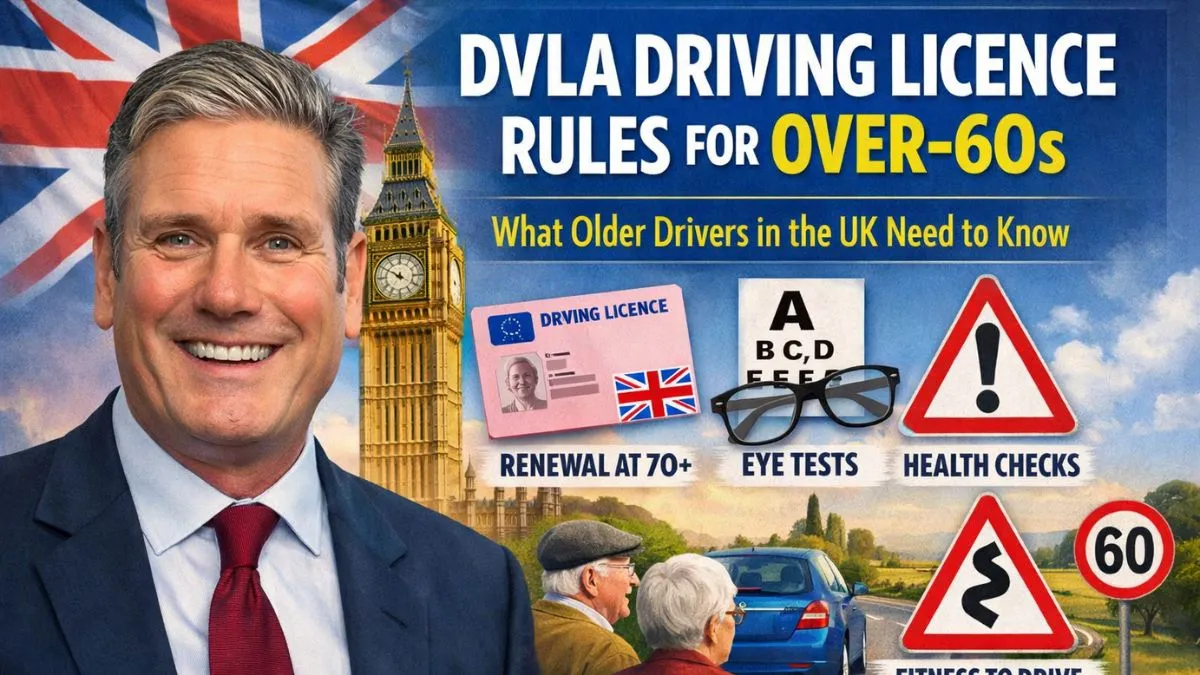
Driving plays a major role in everyday life for millions of people in the United Kingdom. For many individuals, particularly older adults, having a car means freedom, independence, and the ability to travel without relying on public transport. Whether it’s visiting relatives, running errands, or attending appointments, a valid licence helps people remain active.
Recently, discussions about DVLA Rules for drivers aged over 60 have gained attention. Understanding these DVLA Rules is important because they explain how licences work, when renewals are required, and what health conditions drivers must report. While age itself does not stop someone from driving, the DVLA Rules are designed to ensure that everyone on the road can drive safely.
The UK’s licensing system is managed by the Driver and Vehicle Licensing Agency (DVLA), the government authority responsible for issuing licences and maintaining driver records. Knowing the latest DVLA Rules helps older drivers stay compliant and confident while continuing to drive.
Why Driving Regulations Change as People Age?
Age alone does not automatically prevent someone from driving in the UK. In fact, many individuals continue driving safely well into their seventies and eighties.
However, the DVLA Rules recognize that certain physical changes can occur with age. For example, reaction times may slow slightly, and vision can change over time. Because of these factors, the DVLA Rules include certain renewal requirements and health declarations for older drivers.
These measures are not intended to restrict older motorists. Instead, the DVLA Rules aim to maintain road safety while allowing people to continue driving for as long as they are able to do so responsibly.
Driving Licence Validity in the UK
Under current DVLA Rules, most drivers receive a driving licence that remains valid until they reach the age of 70.
Before that age, drivers normally do not need to renew their licence regularly unless:
- Their personal information changes
- They develop a medical condition affecting driving
- Their licence is lost or updated
The DVLA Rules simply require drivers to maintain accurate records and report any conditions that could impact their driving ability.
What Happens After Age 70?
Once a driver reaches the age of 70, the DVLA Rules change slightly.
Drivers must renew their licence every three years. This renewal process is usually simple and can be completed online or by post.
During renewal, drivers must confirm that they remain medically fit to drive. In most situations:
- No driving test is required
- Drivers complete a health declaration
- The DVLA reviews the information provided
If the DVLA Rules require additional checks, medical information may be requested from a doctor.
Licence Renewal Timeline for Older Drivers
| Age Group | Licence Status | Renewal Requirement |
|---|---|---|
| Under 70 | Licence valid long term | No regular renewal |
| Age 70 | Licence renewal required | First renewal |
| Over 70 | Licence valid for 3 years | Renewal every 3 years |
These DVLA Rules allow older motorists to continue driving while ensuring health standards are maintained.
Medical Conditions That Must Be Reported
One of the most important parts of the DVLA Rules involves reporting medical conditions that could affect driving ability.
Drivers must notify the DVLA if they develop conditions that may impact safe driving. Examples include:
- Vision problems
- Neurological disorders
- Conditions causing loss of consciousness
- Certain heart conditions
Failing to report a medical issue under the DVLA Rules could lead to fines or invalidated insurance. For this reason, drivers are encouraged to stay aware of their health and report any relevant changes.
Vision Requirements for UK Drivers
Good eyesight is essential for road safety. Under the DVLA Rules, drivers must be able to read a standard vehicle number plate from a specified distance.
If eyesight does not meet the requirement, drivers may need to wear:
- Glasses
- Contact lenses
Regular eye tests are strongly recommended for older drivers because eyesight changes can happen gradually. Following these DVLA Rules ensures drivers can see clearly and respond safely to road conditions.
Why Older Drivers Are Often Safer?
Interestingly, research has shown that older motorists frequently develop safer driving habits.
Many experienced drivers:
- Avoid driving at night
- Prefer familiar roads
- Limit driving during poor weather
- Avoid heavy traffic when possible
These cautious habits, combined with decades of experience, often make older drivers very responsible on the road. The DVLA Rules simply support these safe driving behaviours.
Technology Supporting Older Drivers
Modern vehicles are equipped with technology that makes driving easier and safer for all age groups.
Some useful features include:
- Parking sensors
- Reversing cameras
- Lane-assist technology
- Blind-spot monitoring
- Collision warning systems
- Adaptive cruise control
These tools can help drivers react more quickly and reduce driving stress. As technology continues to improve, the DVLA Rules may become even more supportive of older drivers remaining active on the road.
When Additional Driving Assessments May Be Required?
In some cases, the DVLA Rules may require further assessment of a driver’s ability.
This can happen if:
- A medical professional raises concerns
- A health condition affects driving
- The DVLA requests additional evaluation
These assessments are not designed to punish drivers. Instead, they help determine whether someone can continue driving safely and whether any adjustments might be necessary.
Staying Confident Behind the Wheel
For many older adults, driving represents independence and quality of life. Understanding the DVLA Rules helps drivers maintain that independence.
Older drivers can stay confident by:
- Having regular health checkups
- Scheduling routine eye exams
- Taking refresher driving courses
- Keeping informed about driving regulations
These steps ensure drivers remain safe, knowledgeable, and comfortable on the road.
Avoiding Confusion About Driving Rules
Occasionally, news headlines create confusion about driving laws for older adults.
Some reports suggest stricter tests or automatic restrictions for older drivers, but these claims are often misleading. In reality, the DVLA Rules focus on safety rather than age.
Checking official DVLA guidance is the best way to understand the actual requirements and avoid misinformation.
The DVLA Rules for older drivers in the UK are designed to balance road safety with personal independence. Age alone does not stop someone from driving, and many individuals remain capable motorists well into later life. The key requirement is that drivers continue to meet the safety standards set by the licensing authority.
By understanding DVLA Rules, renewing licences when required, reporting relevant medical conditions, and maintaining good eyesight, older drivers can continue to enjoy the freedom that comes with driving. With modern vehicle technology and responsible driving habits, many older adults remain confident and safe on the road for years to come.
FAQs
1. Do drivers over 60 need to renew their licence in the UK?
No. Under DVLA Rules, licences generally remain valid until age 70. Renewal requirements begin once a driver reaches 70.
2. How often must drivers renew their licence after age 70?
According to DVLA Rules, drivers must renew their licence every three years after turning 70.
3. Do older drivers need to take another driving test?
Usually no. The DVLA Rules typically require only a medical declaration unless additional assessments are requested.